 By Karac Karlin
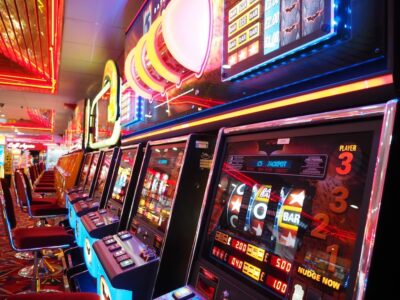
The casino floor was once a sea of generic fruit symbols, bells, and lucky sevens. While these classic motifs still hold a nostalgic charm, the modern gaming landscape has undergone a radical transformation. Today, when a player walks into a premier Las Vegas resort or logs into a top-tier online gaming platform, they are greeted by the faces of Hollywood stars, the themes of blockbuster movies, and the soundtracks of legendary rock bands. This phenomenon is known as the rise of branded slots, a strategic intersection where pop culture meets gambling technology to create a new breed of entertainment.
Branded slots represent a significant shift in how gaming services attract and retain users. By leveraging established intellectual property, developers can bypass the initial hurdle of building brand recognition. Instead of teaching a player a new set of characters or a fictional world, they tap into an existing emotional connection. This synergy has turned the slot machine into a multimedia experience that rivals modern video games in production value and narrative depth.
The Psychology of Familiarity and Emotional Connection
The primary driver behind the success of branded slots is the psychology of familiarity. In a saturated market where thousands of games are available at the touch of a button, human beings are naturally inclined toward things they already know and love. This is often referred to as the mere-exposure effect, where people develop a preference for things simply because they are familiar with them.
When a player sees a slot machine themed after a favorite television show like Game of Thrones or a classic film like Jurassic Park, the “barrier to entry” vanishes. The player already understands the tone, the stakes, and the hero’s journey associated with that brand. This emotional connection provides a sense of comfort and trust. If a player trusts the brand, they are more likely to engage with the gaming service associated with it. Furthermore, the use of iconic imagery and music triggers dopamine responses even before the first spin, as the brain associates the game with the pleasure derived from the original media.
The Licensing Architecture: A High-Stakes Collaboration
Creating a branded slot is a complex and expensive endeavor that requires a high-level collaboration between software developers and major entertainment studios. Companies like Warner Bros., Disney, and various music labels do not hand over their intellectual property lightly. The licensing agreements involved are meticulous, ensuring that the game aligns with the brand’s image and values.
-
Asset Integration: Developers are often granted access to original movie clips, voice acting from the cast, and orchestral scores. This allows for a level of immersion that generic slots cannot match.
-
Approval Processes: Every element, from the way a character looks on the reels to the animations used in a bonus round, must go through rigorous approval by the IP holder.
-
Revenue Sharing: Licensing usually involves substantial upfront costs and a percentage of the game’s revenue. This means a branded slot must perform exceptionally well to be profitable for the developer, leading to higher standards of quality and innovation.
Enhancing Gameplay Through Narrative Bonus Rounds
One of the most significant advantages of branded slots is the ability to incorporate narrative-driven gameplay. In a generic slot, a bonus round might simply be ten free spins with a multiplier. In a branded slot, the bonus round becomes a “mission” or a “chapter” in a larger story.
For example, a superhero-themed slot might feature a bonus round where the player must help the protagonist fight a villain to unlock a jackpot. These rounds often use cinematic sequences to transition from the reels to a secondary game screen. This narrative progression keeps players engaged for longer periods, as they are no longer just chasing a financial payout; they are curious to see the next piece of content or the next clip from the film. This gamification of the slot experience is a direct result of pop culture’s influence, shifting the focus from pure gambling to “gambling-entertainment.”
The Impact of Music and Soundscapes
While visual assets are crucial, the auditory component of branded slots is equally powerful. Music is one of the most effective ways to evoke nostalgia and excitement. Gaming services have recognized this by creating slots dedicated entirely to rock bands and pop stars.
Slots featuring bands like Guns N’ Roses, AC/DC, or Jimi Hendrix use full-length tracks and concert footage to create a high-energy atmosphere. The rhythm of the music is often synchronized with the spinning of the reels and the celebration of wins. This creates a “flow state” for the player, where the entertainment value of the music compensates for the inherent volatility of the game. For music fans, these machines act as a digital concert experience where the potential for a payout is an added bonus rather than the sole objective.
Cross-Generational Appeal and Market Expansion
Pop culture allows gaming services to target specific demographics with surgical precision. By selecting brands from different eras, developers can appeal to a wide range of age groups.
-
The Nostalgia Factor: Retro-themed slots based on 1980s movies like The Goonies or Gremlins target Gen X and older Millennials who grew up with these films. The nostalgia acts as a powerful hook, bringing back positive memories from childhood.
-
Modern Mainstream: Games based on current reality TV shows or recent superhero franchises target a younger, tech-savvy audience that expects high-end graphics and mobile-friendly interfaces.
-
Cult Classics: Even niche brands with a dedicated following, such as specific horror movie franchises or cult comic books, can be used to capture a loyal “long-tail” audience that traditional gaming services might overlook.
This targeted approach has helped gaming services expand into new markets. People who might never have considered playing a slot machine are often drawn in by a brand they are passionate about in another area of their lives.
The Technological Challenge of Brand Integration
Integrating a massive brand into a slot format is not without its technical hurdles. Modern gaming services must ensure that these high-asset games run smoothly across all devices. The inclusion of video clips and complex animations requires sophisticated optimization to prevent lag, especially on mobile networks.
Furthermore, developers must find ways to translate complex movie themes into simple slot mechanics. How do you turn a high-speed car chase into a set of reels? This requires creative “feature mapping,” where specific elements of the brand are turned into game mechanics like “Walking Wilds,” “Colossal Symbols,” or “Expanding Reels.” The success of a branded slot often depends on how cleverly the developer has translated the source material into the gambling format.
Conclusion: The Future of Branded Entertainment
The rise of branded slots has permanently changed the expectations of the modern player. We are moving toward a future where the line between gaming, cinema, and social media continues to blur. As Virtual Reality and Augmented Reality technology mature, the next generation of branded slots will likely allow players to literally “step into” their favorite movies or concerts to play.
Pop culture provides a universal language that transcends borders and demographics. For gaming services, brands are more than just a skin; they are a way to build a sustainable, entertainment-focused ecosystem. As long as our culture continues to be driven by stories, celebrities, and music, branded slots will remain at the forefront of the gaming industry, proving that the best way to win a player’s heart is through the stories they already cherish.
Frequently Asked Questions
Are the payout percentages lower on branded slots because of the licensing fees?
It is a common misconception that branded slots always have lower Return to Player (RTP) percentages to cover the cost of the license. While it is true that these games are more expensive to produce, many developers maintain competitive RTPs to ensure the game remains popular. However, because they are often “premium” games, they may be found in higher denominations or have higher volatility than basic, generic machines.
Can I play branded slots for free before wagering real money?
Yes, most reputable online gaming services offer a “demo” or “free play” mode for their branded titles. This allows players to experience the cinematic clips, bonus rounds, and soundtracks without any financial risk. It is a great way to see if the brand integration is to your liking before committing to a real wager.
Why do some branded slots disappear from casinos after a few years?
Unlike generic slots, branded games are tied to licensing contracts. These contracts are for a specific duration, often ranging from three to five years. If the contract expires and is not renewed by either the developer or the IP holder, the game must be legally removed from all platforms. This makes some branded slots “limited edition” experiences.
How do developers choose which movies or shows to turn into slots?
Developers look for brands with high “visual equity” and recognizable characters. They also analyze the demographic data of the brand’s fanbase to see if it aligns with the target audience of the casino. Brands with strong sequels or a long history are preferred because they offer more material for future game iterations.
Do branded slots have more bonus features than regular slots?
Generally, yes. Because the goal is to provide an entertainment experience, branded slots tend to be more feature-heavy. They often include multiple tiers of bonus games, interactive elements, and random “base game” modifiers that keep the gameplay varied and aligned with the theme’s narrative.
Are there branded slots for bands that are no longer together?
Absolutely. In fact, many of the most successful music-themed slots are based on legacy acts like Elvis Presley, Queen, or The Beatles (via specific solo projects or themes). These brands have timeless appeal and allow the gaming service to tap into a multi-generational fanbase that spans several decades.
Is it harder to win a jackpot on a branded slot?
The difficulty of winning a jackpot is determined by the game’s underlying math and Random Number Generator, not the brand itself. However, many branded slots are linked to “Progressive Jackpot” networks. While these jackpots can reach enormous sums, the mathematical probability of hitting them is lower than winning a smaller, fixed jackpot on a standard machine.